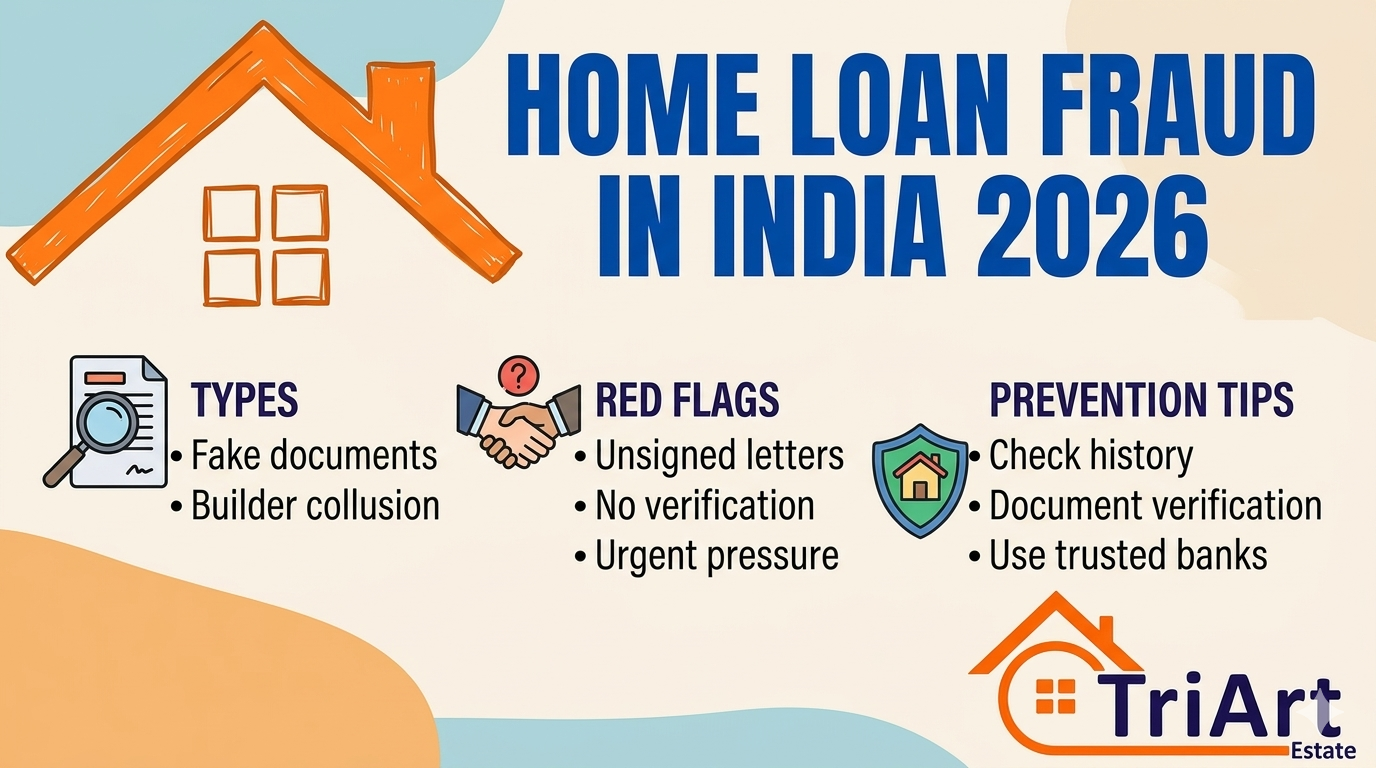
For most people, taking out a home loan constitutes a major financial step. However, if you do not proceed with caution, it can also expose you to certain risks. In recent times, there has been a noticeable rise in cases of home loan fraud—primarily due to the increased involvement of online applications and third-party agents. Often due to a lack of information or an eagerness to secure quick loan approval, many borrowers fall victim to fraudulent schemes.
Furthermore, recognising the various types of home loan fraud—and understanding the steps that can be taken to counter them—will serve as a shield, protecting you from precarious financial situations and serious legal complications.
Identity Theft
Identity theft has now become a constant threat that can have a devastating impact on your financial well-being. Someone else could take out a loan in your name, leaving you alone to face the dire consequences. By staying informed and adopting necessary security measures, you can safeguard your personal information and, in doing so, protect it from fraudsters.
Advance Fee Fraud
In this type of loan fraud, scammers deceive unsuspecting individuals by asking them to pay a fee or charge *before* the promised loan is disbursed. Do not be swayed by their smooth talk and false promises.
By exercising a little caution, you can thwart the schemes of fraudsters who demand upfront fees. Legitimate lenders never ask for fees in advance, and your financial security should never be jeopardised in the pursuit of obtaining a loan.
Loan Modification Scams
For individuals struggling with financial hardship and facing difficulties in repaying debts, the promise of a quick and easy solution can be extremely tempting. Scammers exploit this vulnerability to perpetrate fraud under the guise of loan modification.
These fraudsters demand upfront fees, employ high-pressure tactics, guarantee immediate results, and request that victims sign a Power of Attorney.
Phishing and Online Fraud
In the digital age, your online presence serves as both a convenience and a vulnerability. Scammers and cybercriminals are constantly devising new methods to trick you into divulging your personal and financial information.
Learn to recognise the signs of online fraud in India—such as suspicious emails, phishing links, and fraudulent websites.
Property Flipping
Property flipping fraud occurs when the value of a property is artificially inflated through false appraisals or misrepresentations. Fraudsters manipulate property prices, mislead buyers, or conduct fraudulent transactions to deceive lenders. Exercise extreme caution and work with reputable professionals to avoid falling victim to property flipping scams.
Title Fraud
In this mortgage fraud scheme, property ownership documents are manipulated to deceive lenders and homeowners. Fraudsters create forged documents and, using fake identities, transfer property ownership or fraudulently obtain mortgage loans.
Builder Fraud
This type of housing fraud involves builders who mislead buyers by providing false information regarding the property’s features, amenities, or construction quality. They also employ illicit tactics, such as demanding illegal payments or utilising forged documents. To safeguard against builder fraud, conduct thorough research, verify the builder’s credentials, and carefully review all legal agreements.
Mortgage fraud is a serious concern that can jeopardise both your property and your financial security. Being informed about the various types of mortgage fraud enables you to take preventive measures and protect your assets.
How to Identify Red Flags in Loan Offers
Recognising warning signs in time can help protect you from loan scams. Keep these points in mind:
- Offers That Seem Too Good to Be True: Unrealistic interest rates or “guaranteed approval” are major warning signs.
- Unprofessional Communication: Poor grammar, an informal tone, and generic email addresses are often indicators of fraud.
- High-Pressure Tactics: Scammers often pressure you to make hasty decisions. Legitimate lenders give you time to review the details and make an informed choice.
- Lack of Transparency: If a lender refuses to provide documentation or disclose clear terms and conditions, steer clear of them.
Vigilance and awareness against financial fraud are your strongest defences.
What To Do If You’ve Been Targeted
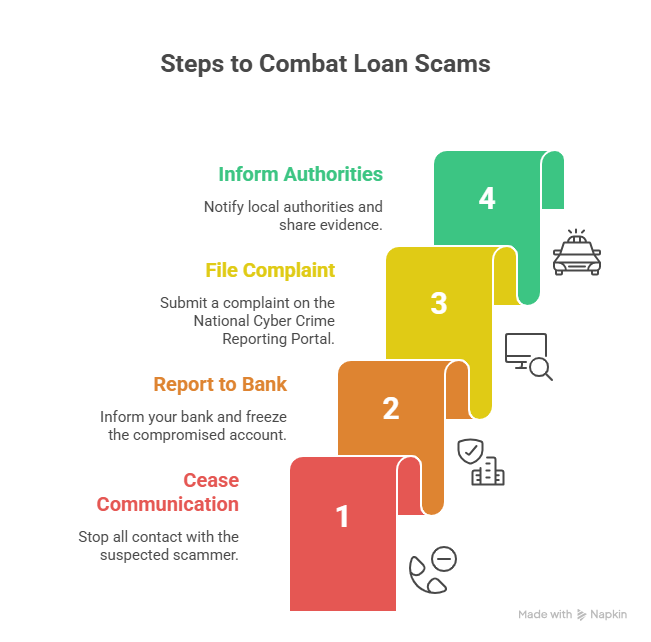
If you suspect loan scams or fall victim to them, take immediate action:
- Cease all communication with the individual suspected of fraud.
- Report this incident to your bank and, if necessary, freeze the compromised account.
- File a complaint on the National Cyber Crime Reporting Portal (www.cybercrime.gov.in).
- Inform local authorities and share evidence such as emails, messages, and receipts.
Reporting promptly increases the chances of recovery and helps prevent others from falling victim to loan scams.
Awareness is the Best Defence
The methods used for loan fraud are constantly evolving, but so are the ways to protect yourself. Staying vigilant, verifying sources, and knowing what to avoid can safeguard your finances. Remember—no legitimate lender will ever pressure you to act in haste, demand upfront fees, or ask you to make personal payments.
Educating yourself is the first step toward prevention. Trusted institutions like HDB Financial Services regularly share customer awareness tips to help people identify and report suspicious activities.
The next time you receive a loan offer, be sure to take a moment to verify it before taking any action. Awareness, caution, and informed decision-making will always keep you one step ahead of loan scams.
Read more: RERA Website Guide: Check Project Details and File Complaints Easily Online